CleanAIR

Clean Air, Healthy Future

Why Are Urban Green Spaces Essential?

Urban parks, tree-lined streets, public gardens, and green belts are not just aesthetic additions to a city; they play a vital role in maintaining urban liveability and safeguarding residents’ health. Below, we highlight why these green areas are indispensable in urban environments.

Air purification and oxygen production

Plants—especially trees—make a significant contribution to improving air quality. A mature tree can absorb up to 65 kg of carbon dioxide per year while releasing oxygen. The surfaces of leaves also capture airborne dust and other pollutants, thus reducing air pollution.
Different tree species contribute to air purification to varying degrees—for example, plane trees, lindens, and maples are particularly effective at trapping pollutants. According to research, a row of trees along 100 meters of a city street can reduce harmful nitrogen oxide concentrations by up to 30%. Parks with dense vegetation act as true "green lungs," providing measurably better air quality within their reach.

Cooling the city and mitigating the urban heat island effect

Urban green spaces naturally cool their surroundings. Trees provide shade, reducing the heat absorption of built surfaces, while plant transpiration cools the air. An average tree can absorb and evaporate up to 2,000 liters of precipitation per year, offering a significant cooling effect.
The urban heat island phenomenon is an increasing problem in large cities—built-up areas can be 7–8°C warmer than surrounding rural zones. Well-designed green areas, green roofs, and vertical gardens can reduce a building’s energy use by up to 60% during summer. A large urban park can lower temperatures within a 2–3 km radius, so a strategically planned network of green spaces can significantly improve a city’s microclimate.

Supporting physical and mental health

Green environments positively affect mental health, reduce stress, and improve well-being. Research shows that just 20 minutes of walking in nature per day can significantly lower stress hormone levels. Residents living near green spaces also experience fewer respiratory diseases.
Time spent in natural settings helps reduce symptoms of depression and anxiety, improves sleep quality, and boosts creativity. For children, access to green spaces is especially important as it supports cognitive development and concentration. For older generations, community gardens and parks offer opportunities for social interaction, reducing the risk of isolation. The latest epidemiological studies indicate that in city districts with a higher proportion of green spaces, average life expectancy is 1–3 years longer.

Stormwater management and flood protection

Green spaces help absorb and channel rainwater, reducing the risk of flooding and relieving pressure on urban drainage systems. Plant roots improve soil water retention, while canopies slow rainfall, promoting evaporation or infiltration.
With the increase of extreme rainfall due to climate change, implementing natural water retention solutions has become even more important. So-called "rain gardens," biofiltration strips, and sponge city concepts help retain and purify rainwater locally, which reduces flood risk and replenishes groundwater. A well-designed vegetated area can absorb up to ten times more precipitation than an equally sized asphalt surface.

Preserving urban biodiversity

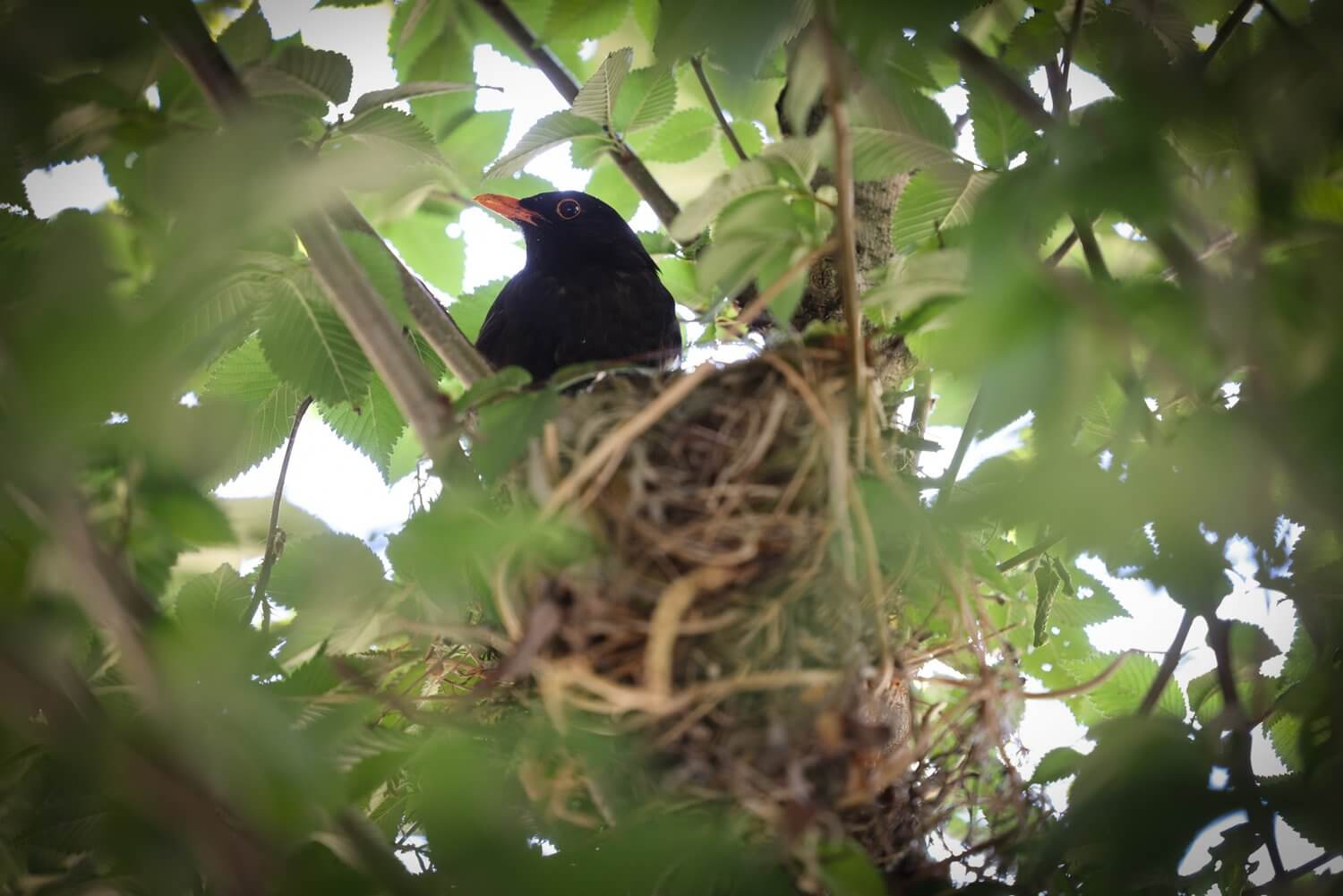
Urban green areas play a key role in maintaining and enhancing biodiversity. Well-designed parks, gardens, and green corridors provide refuge for birds, insects, and small mammals, supporting species survival even in built-up environments.
Urban gardens that favor native plant species greatly support local pollinator populations such as bees and butterflies, which are essential for food production. Tree cavities provide nesting sites for birds, while city ponds and wetlands enrich habitats for amphibians and waterfowl. In some major cities, valuable urban wildlife has adapted to city life—red foxes, bats, and hedgehogs now play an important role in urban ecosystems.

Economic benefits and increased property values

Green areas provide substantial economic advantages for cities. Properties near parks and green belts are typically 10–20% more valuable, making these areas more attractive to residents and businesses alike.
Shops near green spaces tend to have higher turnover, and green areas positively impact local tourism. The health benefits of green spaces also reduce public health expenditures. Properly designed green areas lower city maintenance costs, such as energy consumption and drainage system upkeep. Studies show that for every unit of currency invested in green infrastructure, cities can save 5–10 units in the long term.

Community building and social cohesion

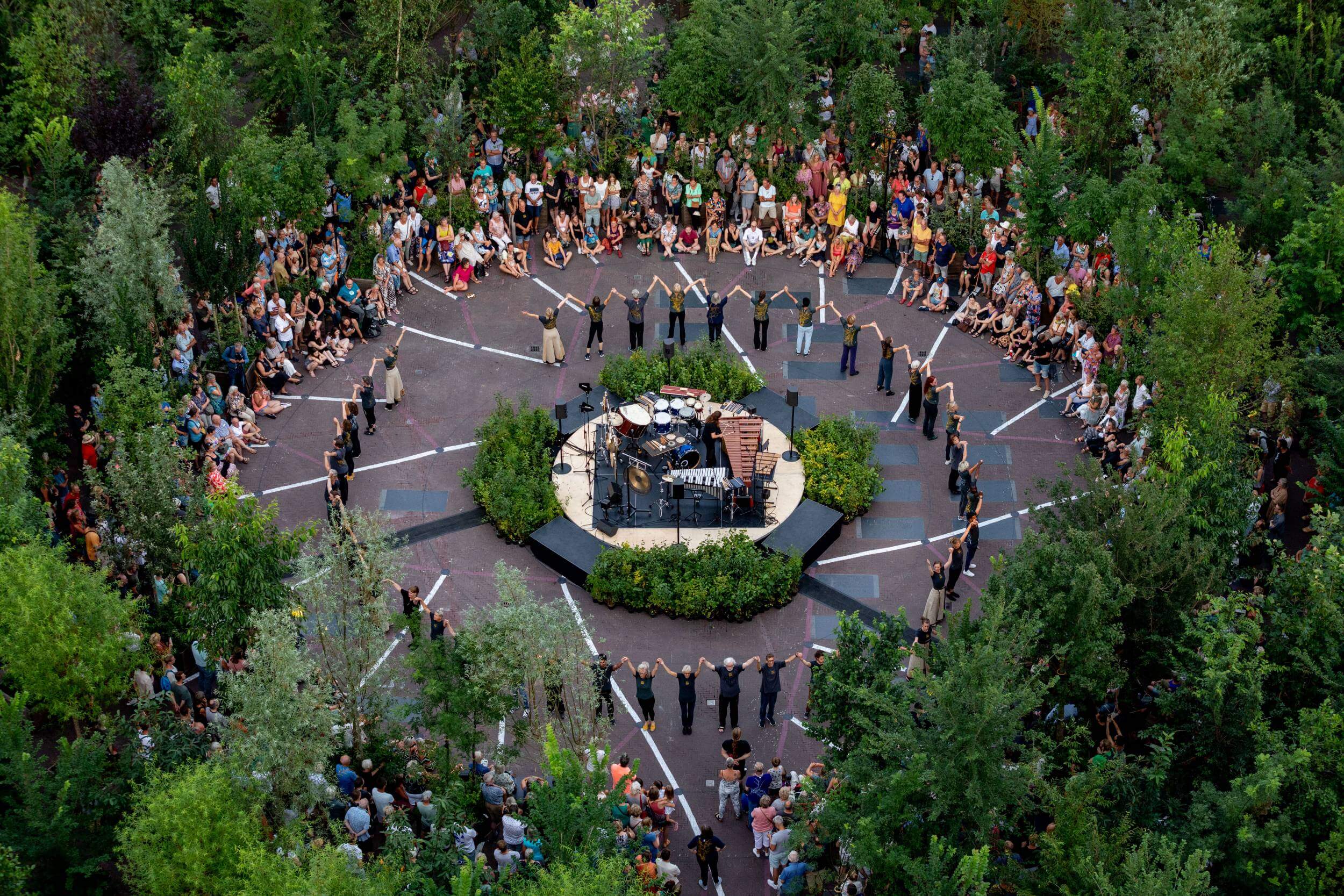
Urban green spaces serve as important community meeting places, strengthening relationships between residents and the identity of neighborhoods. Community gardens, park events, and outdoor activities offer opportunities for different social groups to connect and cooperate.
Involving locals in the planning and maintenance of green spaces increases a sense of ownership and reduces the risk of vandalism. Well-designed community spaces strengthen attachment to neighborhoods and social capital. Urban agriculture and gardening democratize access to fresh, quality food and can play a significant role in reducing social inequalities.

The Future of Green Spaces:
Innovative Solutions

With ongoing urbanization, the use of innovative green solutions is becoming increasingly important. Vertical gardens, green roofs, pocket parks, and smart urban forestry systems help integrate green spaces into densely built urban environments.
Next-generation green infrastructure is no longer just about aesthetics or recreation; it functions as a multifunctional system that simultaneously addresses climate adaptation, water management, biodiversity, and community needs. Urban "pollinator corridors" support the movement and survival of pollinating insects. Urban agricultural revolutions such as rooftop and community gardens provide local food production, reducing the environmental impact of transport and increasing food sovereignty for urban populations.
April 2025
– September 2025
Preparation, procurement, initial measurements
April 2026
– September 2026
Walking Forest pilot and intensive monitoring period
PROGRESS
Main Phases of the CleanAIR Project
October 2025
– March 2026
Planting and preparation
October 2026
– March 2027
Evaluation, final planting, and closure
THE GOAL
Reduce air pollution, improve liveability, and strengthen the adaptability of the urban environment

The content of this website does not necessarily represent the official position of the European Union.

This project is supported by the Interreg Danube Region Programme co-funded by the European Union.

Privacy Policy

https://interreg-rohu.eu

arrow-downpointer-up